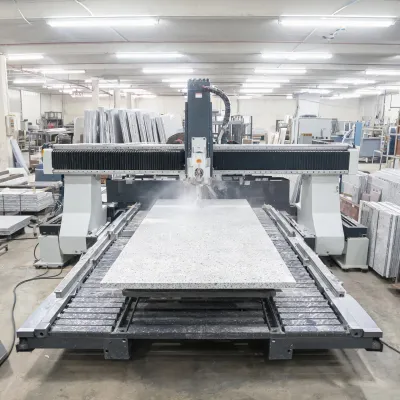
Countertop plants
High-volume kitchen and bath slab supply with shade-stable lots.

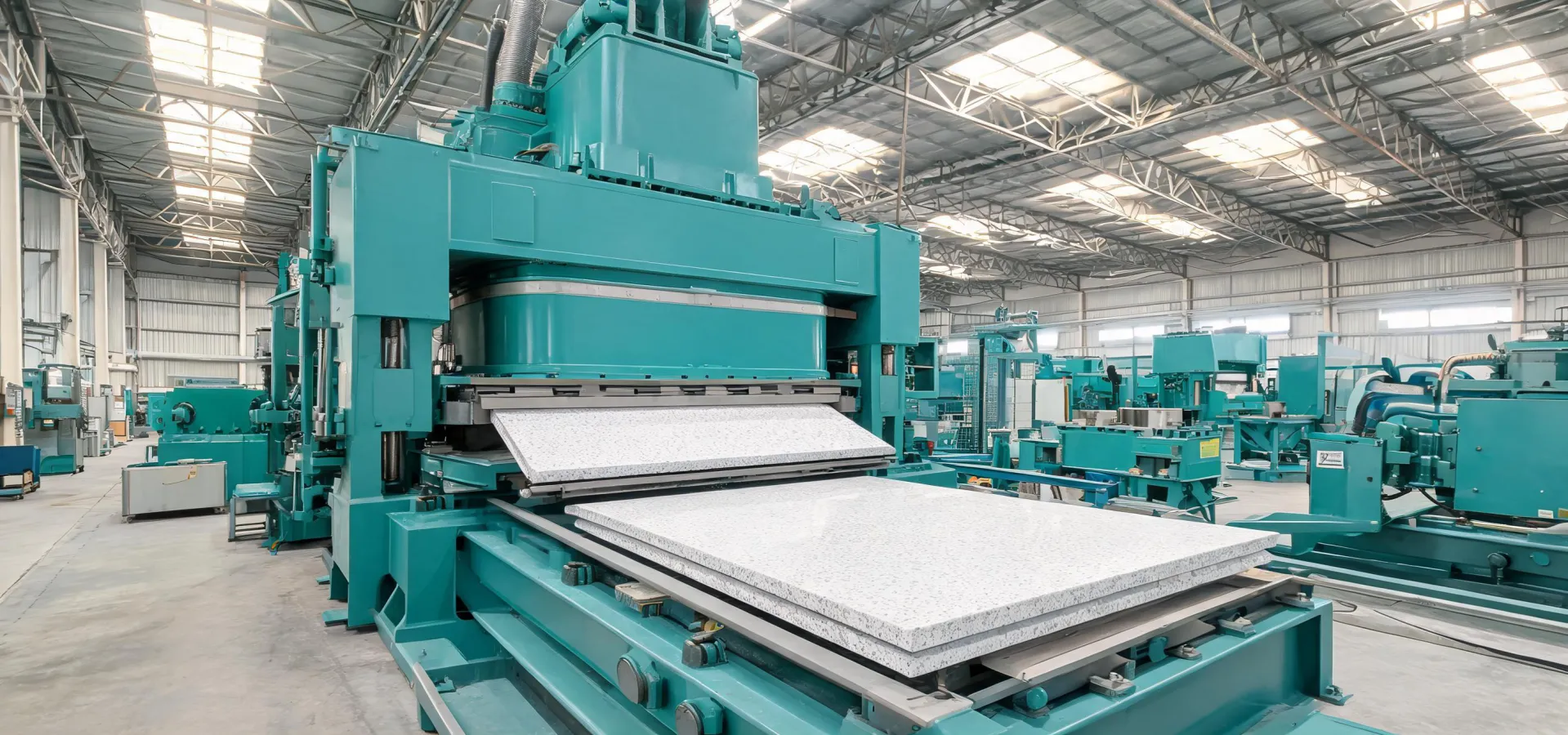
Vacuum vibrocompression, recipe control, and calibration-to-polish sequencing help manufacturers convert mineral blends into dimensional stable slabs for kitchens, hospitality, and commercial interiors.
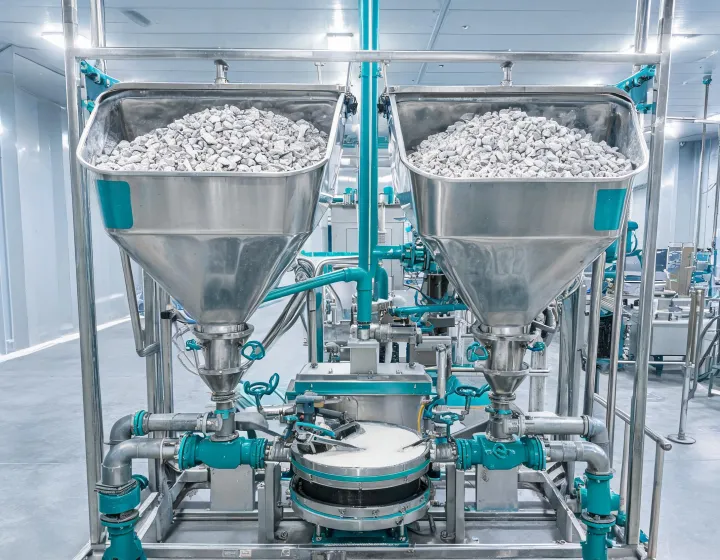
Mineral fractions, pigment packs, and resin systems are metered against a locked recipe so flexural strength and color lots remain repeatable across multi-shift production.
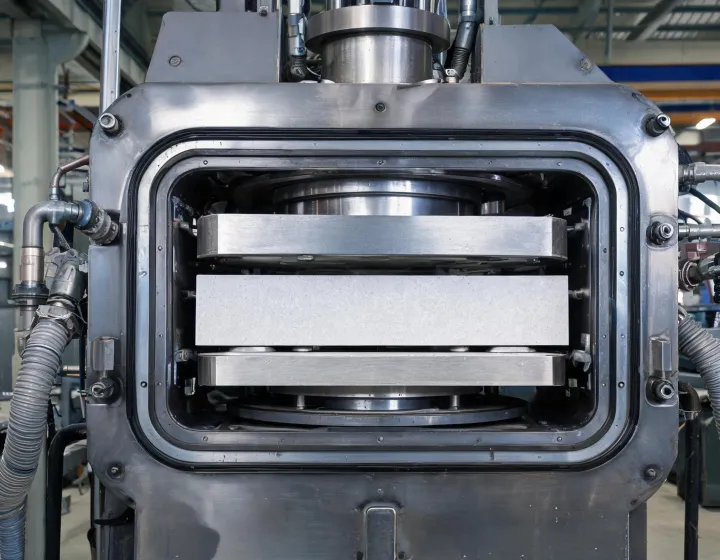
Air entrapment is reduced under vacuum while vibration consolidates the mix, targeting lower water absorption rates and higher abrasion resistance in the cured slab body.
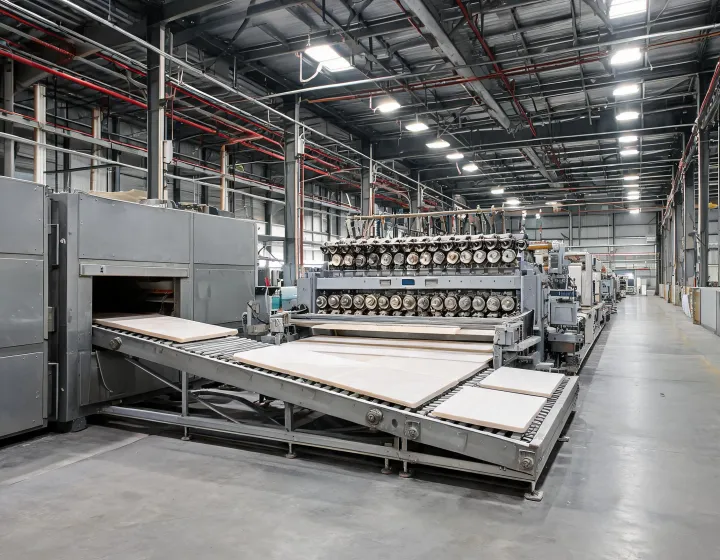
Thermal curing, thickness calibration, and sequential polishing heads are sequenced so dimensional stability and surface gloss stay within architect-facing tolerances.

Operators can review vacuum setpoints, vibration profiles, and oven curves when investigating VOC emissions targets, shade drift, or compressive strength outliers.
| Quartz content window | Typically 90%+ mineral fraction; confirm binder chemistry for target flexural strength and stain behavior. |
|---|---|
| Vacuum densification | Vacuum vibrocompression reduces porosity that elevates water absorption and weakens edge integrity. |
| Slab format examples | Common planning sizes include 3050×1400 mm class formats; use selected-machine drawings for civil works. |
| Calibration tolerance | Multi-head calibration targets thickness uniformity before polishing, supporting fabrication yield. |
|---|---|
| Abrasion & gloss | Polishing sequences are tuned for abrasion resistance classes specified by interior designers and GCs. |
| QC checkpoints | Shade boards, dimensional gauges, and sample flexural tests document lot release decisions. |
| Dust & VOC control | Resin handling and polishing dust collection must align with plant EHS and local VOC emissions rules. |
|---|---|
| Energy & curing | Oven zoning affects cure completeness and can influence embodied carbon accounting for green building dossiers. |
| Service access | Press, mixer, and polisher clearances are reserved in layout packs before slab logistics are frozen. |
High-volume kitchen and bath slab supply with shade-stable lots.
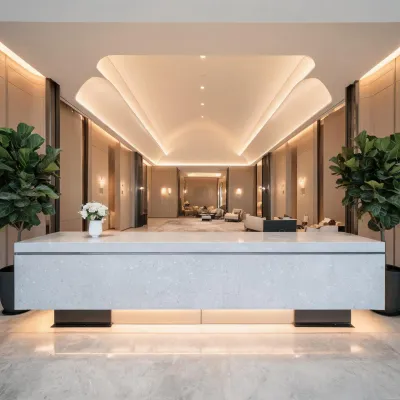
Reception desks and vanity programs needing stain-resistant surfaces.
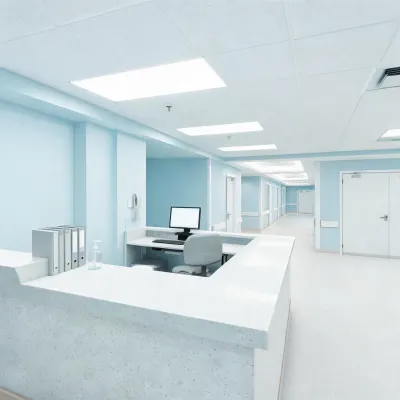
Low-porosity worktops for clinical and support zones.
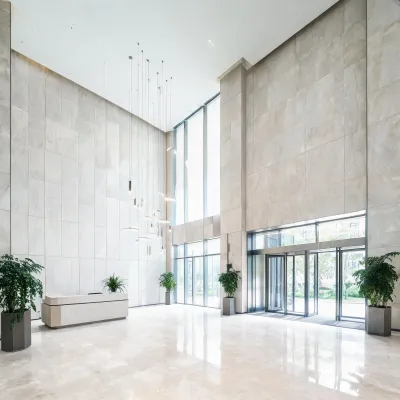
Interior wall cladding where UV stability and flatness matter.
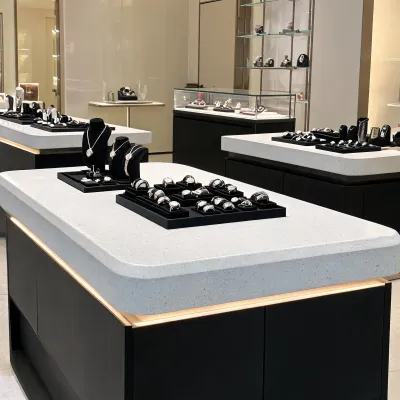
Brand environments that need impact resistance at high traffic edges.
Marks describe evidence paths tied to specific machines, plants, or finished-slab programs. Confirm legal entity, model revision, and market before publishing claims on LEED or GREENGUARD dossiers.
Share annual tonnage goals, preferred slab formats, binder constraints, and the curing window your utility package can support.