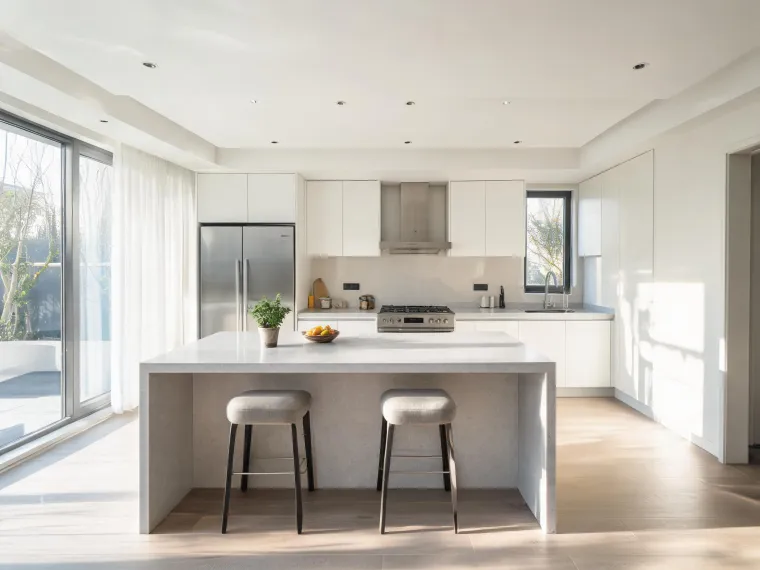
Residential countertop OEMs
Shade-stable lots and predictable water absorption rates keep fabricators from fighting porosity at sink cutouts and dishwasher edges.

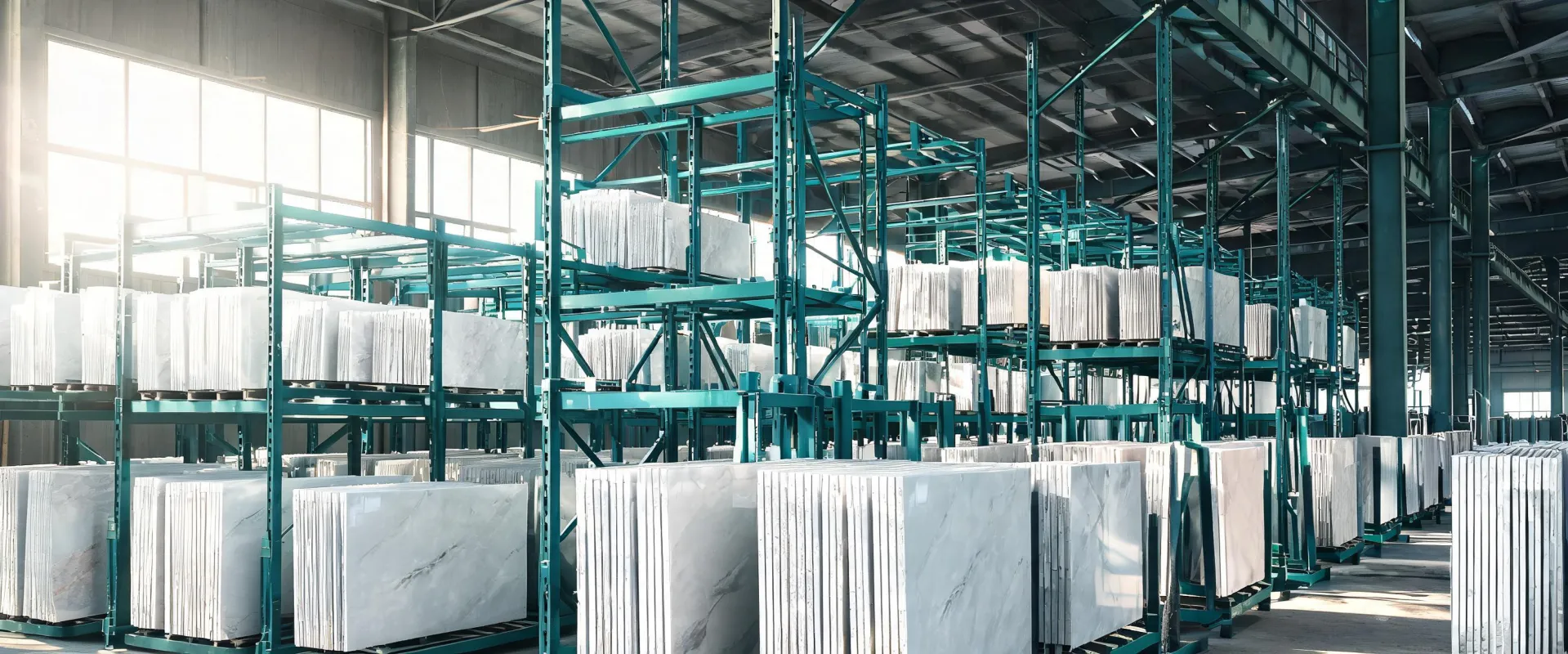
From quartz surface manufacturers to project-driven fabricators, Breton technology underwrites the dimensional stability and abrasion resistance that general contractors and architects write into finish schedules.
Each channel below pressures different specifications: kitchens emphasize stain resistance, healthcare emphasizes cleanability, and cladding emphasizes flatness plus UV stability for sunlit atriums.
Shade-stable lots and predictable water absorption rates keep fabricators from fighting porosity at sink cutouts and dishwasher edges.
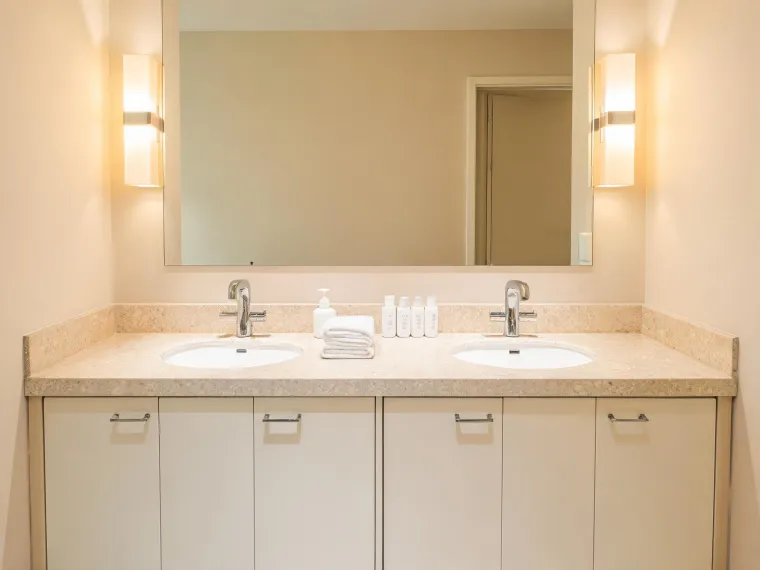
Multi-property vanity programs need compressive strength consistency so stone setters do not renegotiate edge profiles mid-rollout.

Low porosity and documented VOC emissions pathways help infection-control teams evaluate worktops without guessing maintenance chemistry.
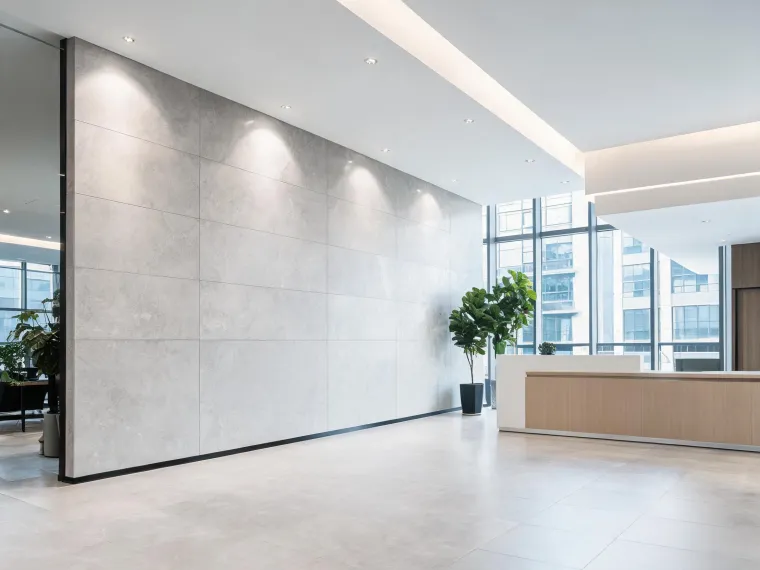
Interior facades demand flexural strength and panel flatness so reveal lines stay true across multi-story atriums.
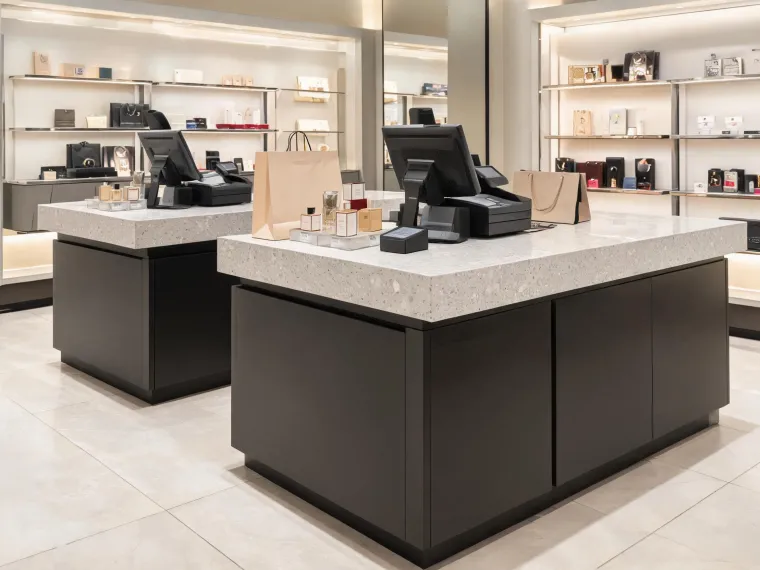
Impact resistance at high-touch edges reduces replacement cycles when carts and fixtures collide with transaction counters.
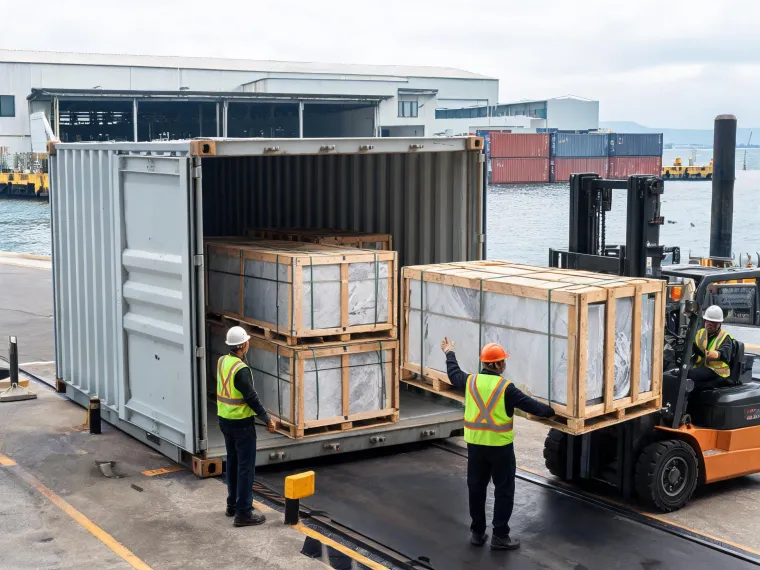
Global Breton quartz brands rely on recipe telemetry so overseas distributors receive lots that match sample boards approved months earlier.
Natural stone versus engineered surfaces remains the first debate on many bids. Design-led teams argue for unique veining; performance-led teams require flexural strength, abrasion resistance, and lower water absorption rates that vacuum vibrocompression can document. Breton does not erase aesthetic preference—we make the engineered side of the argument measurable.
A second conflict appears when green building premiums meet budget pragmatism. LEED and GREENGUARD pathways ask for VOC emissions evidence and recycled content percentage notes, while value-engineering meetings try to cut finish allowances. Process telemetry—oven energy per slab, scrap rates, and cure completeness—lets owners compare lifecycle cost instead of first-cost only.
Prefab bathroom pods and modular vanity banks create a third tension with stick-built site work. Factory-calibrated thickness and dimensional stability reduce field grinding, yet transportation of large-format slabs still needs racking plans that protect edges from impact. Breton layout packages reserve those logistics clearances before civil drawings freeze.
Domestic versus import sourcing also shapes Breton construction programs. Shorter lead times and Buy America eligibility matter on public work; global Breton quartz brands still win when specialized mineral recipes are unavailable locally. Plant managers should declare the sourcing constraint early so spare-parts and binder chemistry strategies align with the chosen market.
Tell us whether your buyers are designers chasing aesthetics or engineers locking performance—then we map press and finish modules accordingly.